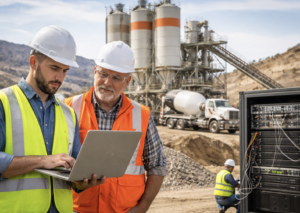
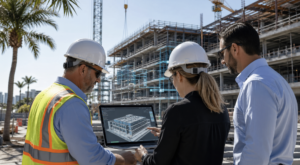
The construction industry is no longer powered by blueprints, phone calls, and isolated project folders alone. Modern construction now depends on connected data, cloud-based collaboration, digital modeling, cybersecurity, mobile access, and reliable IT systems that keep teams working from the same source of truth. This is especially important in Florida, where commercial construction, hospitality renovations, healthcare facilities, multifamily developments, schools, and infrastructure projects often involve many moving parts at once.
That is where the connection between IT and Building Information Modeling becomes so important. BIM is not just a design tool. It is a digital project environment where architects, engineers, contractors, owners, consultants, and technology teams can coordinate information before problems become expensive on the job site. When IT systems support BIM properly, construction teams can work faster, communicate better, reduce rework, and protect project data more effectively.
For companies involved in construction technology, managed IT, cloud systems, cybersecurity, or digital transformation, understanding BIM is becoming more valuable. The rise of artificial intelligence, data center demand, software spending, and cybersecurity concerns is changing how organizations think about technology in every industry. Gartner has reported continued growth in worldwide IT spending, with AI infrastructure and software remaining major areas of investment. That same shift toward smarter digital systems is showing up in construction as companies look for better ways to plan, build, and manage complex projects.
Why IT Matters More in Construction Than Ever Before
Construction used to be viewed as a mostly physical industry. Crews worked in the field, project managers handled schedules, and office teams managed contracts, drawings, and billing. Today, those same responsibilities still exist, but they are increasingly supported by digital platforms. Plans are stored in the cloud. Field updates are sent from mobile devices. Project schedules are shared across teams. Drones, sensors, cameras, and modeling software all create useful information that needs to be stored, secured, and accessed quickly.
The definition of information technology includes the systems used to create, process, store, retrieve, and exchange information. That definition fits modern construction perfectly. A building project now depends on constant information exchange between design teams, contractors, subcontractors, owners, inspectors, and vendors. When that information is inaccurate, outdated, or scattered across too many platforms, mistakes happen.
IT helps solve that problem by creating the digital foundation that construction teams rely on. Secure networks, cloud storage, permission controls, backup systems, project management platforms, and communication tools all help keep projects organized. When BIM is added to that environment, IT becomes even more important because the amount of project data grows. Models, drawings, clash reports, documentation, revisions, schedules, and asset information all need dependable systems behind them.
How Florida BIM Services Support Smarter Project Planning
BIM helps construction teams see and understand a project before it is built. Instead of relying only on flat drawings, teams can use digital models to identify conflicts, coordinate systems, and make better decisions earlier in the process. This can be especially useful for Florida construction projects where building conditions, weather exposure, energy performance, coastal requirements, renovations, and tight construction schedules can all create challenges.
A company offering Florida BIM Services can help design and construction teams improve coordination before work reaches the field. This matters because many construction problems are easier and less expensive to fix during the planning stage than after materials are ordered, crews are scheduled, or walls are already closed up. BIM gives teams a clearer view of the building, while IT helps make that digital information accessible, secure, and useful.
For example, if a Florida hotel is renovating guest rooms, lobbies, kitchens, mechanical areas, or conference spaces, BIM can help coordinate architectural details, electrical layouts, plumbing systems, HVAC routing, and structural conditions. IT supports that process by keeping files available to the right people, protecting sensitive information, managing collaboration tools, and making sure the project team can access updated documents from the office or the field.
The Role of Cloud Systems in BIM Collaboration
Cloud technology has changed how construction teams work. Instead of emailing large files back and forth or relying on one person to manage the latest version of a drawing, project teams can collaborate inside shared platforms. This is valuable for BIM because models and construction documents are often updated as design decisions change.
The broader IT world is heavily focused on cloud infrastructure, AI readiness, and data growth. Reuters has reported major investment activity around AI infrastructure and data centers, showing how much demand exists for systems that can support large-scale digital workloads. Construction may not always receive the same attention as Big Tech, but it is part of the same larger shift. More industries are relying on digital infrastructure to manage complex work.
For BIM, cloud systems can help architects, engineers, contractors, owners, and consultants work from a shared environment. This reduces confusion and helps prevent teams from using outdated files. IT teams may be responsible for managing access, enforcing security policies, supporting software integrations, and making sure the cloud environment performs well. Without strong IT support, even the best BIM model can become difficult to use if people cannot access it reliably or safely.
Cybersecurity and Project Data Protection
Modern construction projects create a large amount of sensitive information. This may include building layouts, security systems, owner information, subcontractor pricing, bid documents, financial records, schedules, access credentials, and proprietary design details. For hotels, healthcare facilities, government buildings, schools, and commercial properties, protecting this information matters.
Cybersecurity is now a major part of IT planning. The CISA cybersecurity advisories regularly highlight current cyber threats, alerts, and mitigation guidance for organizations. The construction industry is not separate from those risks. Any company using cloud software, shared files, mobile devices, email, remote access, or vendor portals needs to think carefully about cybersecurity.
BIM adds another layer of responsibility because project models and documentation can contain detailed building information. IT teams should help manage user permissions, multi-factor authentication, secure file sharing, backups, endpoint protection, and incident response planning. The NIST Cybersecurity Framework is one trusted resource organizations can use to better understand and manage cybersecurity risk.
When IT and BIM teams work together, construction companies can create a safer digital environment. That means fewer risks of unauthorized access, fewer lost files, and stronger protection for owners, contractors, and project partners.
Why IT Infrastructure Affects BIM Performance
BIM software can be powerful, but it also requires the right technical environment. Large models, detailed 3D coordination files, point cloud data, construction documents, and rendering tools can demand strong hardware, stable internet, secure storage, and reliable backup systems. If the IT infrastructure is weak, the BIM process may slow down.
This can show up in many ways. Files may take too long to open. Teams may struggle with version control. Field users may not be able to access updated drawings. Model coordination meetings may be delayed because files are not syncing correctly. Consultants may have trouble uploading or downloading important documents. These problems are not always BIM problems. Many times, they are IT infrastructure problems.
A strong IT setup helps BIM perform better. That may include fast internet, secure cloud storage, properly configured workstations, software license management, remote access tools, device management, and reliable data backup. For companies that support construction clients, IT services can become more valuable when they are aligned with the realities of BIM workflows.
AI, Automation, and the Future of Digital Construction
The future of construction technology will likely include more automation, more data analysis, and more AI-supported decision-making. IBM has discussed how AI and technology trends are moving quickly across industries, with organizations looking for practical ways to turn innovation into real business value through better data, security, and infrastructure. Construction companies are part of that movement.
BIM can support this future because it creates structured project information. When data is organized well, it can be used for better planning, estimating, scheduling, facility management, and long-term building operations. IT teams help make that possible by connecting systems, managing databases, supporting integrations, and protecting the digital environment.
For example, a building owner may eventually want to use BIM data after construction is complete. That information can support maintenance planning, asset tracking, renovations, energy analysis, and facility operations. When IT and BIM are connected from the beginning, the project data can become more useful long after the construction phase ends.
Why IT Companies Should Understand BIM
IT companies that serve construction firms, architects, engineers, developers, hotels, commercial property owners, or facility managers can benefit from understanding BIM. It allows them to provide better recommendations, support the right software tools, and design systems that actually match how construction teams work.
A general IT provider may understand networks, devices, cloud systems, and cybersecurity, but construction clients often need more than general support. They may need help with large design files, field device access, construction software, model coordination platforms, remote collaboration, and document control. When IT providers understand BIM, they can become more than a help desk. They can become a strategic technology partner.
This is also important because construction mistakes can be expensive. A slow system, missing file, outdated drawing, or access issue can delay decisions and create real project costs. IT support that understands the pressure of construction timelines can help reduce those risks.
BIM Builds the Digital Bridge Between Design and Construction
BIM connects the design side of a project with the construction side. IT connects the people, platforms, devices, and data that allow BIM to function well. Together, they create a stronger digital bridge between planning and execution.
For Florida construction projects, that bridge can be especially valuable. Projects may involve hospitality properties, healthcare facilities, retail spaces, multifamily developments, coastal structures, educational buildings, and complex renovations. Many of these projects require careful coordination between multiple teams. BIM helps organize the building information. IT helps keep that information moving safely and efficiently.
When both work together, project teams gain more confidence. They can make decisions with clearer information. They can reduce avoidable confusion. They can support better communication between the office and the field. Most importantly, they can help construction projects move forward with fewer surprises.
Conclusion
The connection between IT and Florida BIM services is becoming more important as construction becomes more digital, data-driven, and collaborative. BIM gives project teams a clearer way to plan, coordinate, and manage construction information. IT provides the infrastructure, security, cloud access, and technical support needed to make that information useful.
Modern construction depends on both. Without BIM, teams may miss opportunities to catch problems early. Without strong IT, BIM data may become difficult to access, share, protect, or manage. Together, they help construction companies, property owners, developers, and facility teams work with better clarity and stronger control.
For IT companies, this creates a valuable opportunity. Understanding BIM allows technology providers to better serve construction clients and support the systems that modern building projects now depend on. For construction teams, investing in the right BIM and IT support can lead to better coordination, fewer delays, stronger security, and smarter long-term building management. In today’s construction world, technology is no longer sitting on the sidelines. It is part of the foundation.